
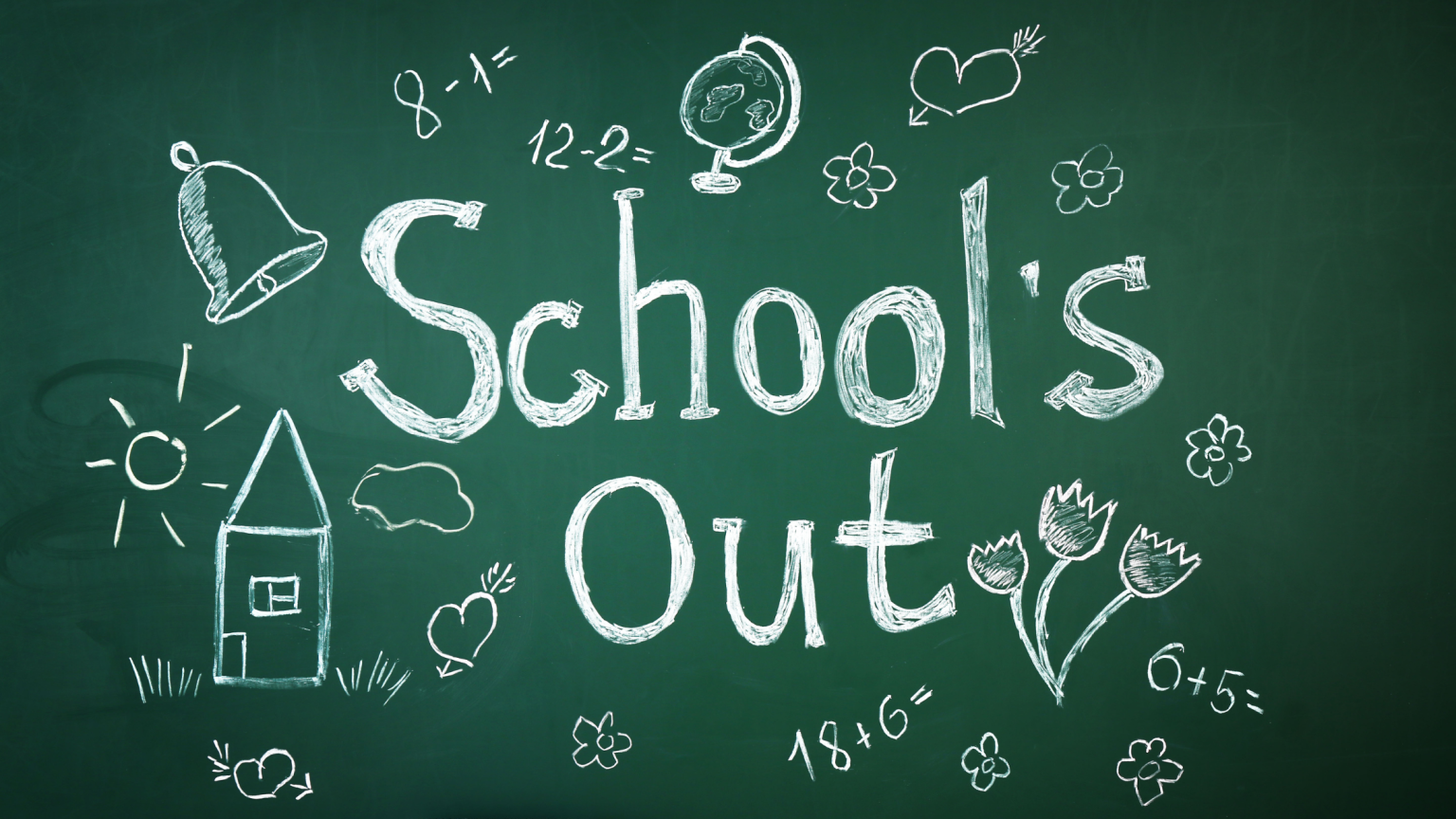
The end of the school year is often portrayed as a time of celebration, freedom, and excitement. While many students eagerly anticipate summer break, the transition away from familiar routines, teachers, classmates, and daily responsibilities can also bring a wide range of emotions. For children and teenagers alike, the conclusion of a school year represents more than just the end of classes—it marks the closing of an important chapter.
Understanding and coping with end-of-school emotions can help young people embrace change while maintaining their emotional well-being. Parents, caregivers, and educators play an important role in supporting students through this period of transition.
Understanding Why End-of-School Emotions Occur
Many students experience mixed feelings as the school year comes to an end. Happiness and excitement often coexist with sadness, anxiety, uncertainty, and even grief. These emotions are natural responses to change.
Throughout the school year, students develop relationships, establish routines, and build a sense of belonging within their school community. When those familiar structures disappear, even temporarily, they may feel a sense of loss. Some students worry about changing schools, moving to a new grade, or being separated from close friends.
Recognizing that these feelings are normal can help students feel less confused and more prepared to manage them.
Celebrating Accomplishments and Growth
One effective way to cope with end-of-school emotions is to reflect on personal achievements. Students benefit from taking time to recognize how much they have learned and how they have grown throughout the year.
Whether they improved academically, developed new friendships, gained confidence, or overcame personal challenges, every accomplishment deserves acknowledgment. Reflection helps shift attention from what is ending to what has been gained.
Creating memory books, journals, photo collections, or lists of favorite experiences can provide a meaningful way to celebrate progress while preserving positive memories.
Allowing Space for Sadness
While excitement about summer often receives the most attention, sadness deserves recognition as well. Students may miss favorite teachers, classmates, extracurricular activities, or the comfort of a familiar classroom environment.
Rather than dismissing these emotions, adults can encourage students to express them openly. Talking about feelings, writing in a journal, creating artwork, or sharing memories with friends can help process the transition in a healthy way.
Acknowledging sadness does not diminish the joy of summer; it simply honors the significance of meaningful experiences and relationships.
Maintaining Important Connections
One common concern among students is the fear of losing touch with friends. As schedules change during summer break, maintaining social connections can provide comfort and stability.
Students can exchange contact information, schedule regular meetups, participate in group activities, or stay connected through supervised online communication when appropriate. Knowing that friendships can continue beyond the classroom often reduces feelings of separation and loneliness.
Maintaining connections helps reinforce the idea that while circumstances may change, important relationships can remain strong.
Preparing for New Beginnings
For many students, the end of one school year signals the beginning of a new and unfamiliar experience. Advancing to a higher grade, changing schools, or entering a new educational environment can create uncertainty.
Preparation can ease these concerns. Learning about upcoming classes, visiting a new school, attending orientation programs, or discussing expectations with trusted adults can make future changes feel more manageable.
When students focus on opportunities rather than unknowns, they often develop greater confidence about what lies ahead.
Establishing Summer Structure
The school year provides predictable routines that help students feel secure. Once summer begins, the sudden absence of structure can sometimes contribute to boredom, anxiety, or emotional discomfort.
Creating a flexible summer routine can help maintain balance. Regular sleep schedules, planned activities, reading time, physical exercise, hobbies, and family outings provide stability while still allowing for relaxation and fun.
A sense of structure helps students transition smoothly from school life to summer life.
Encouraging Emotional Expression
Every student experiences transitions differently. Some openly discuss their feelings, while others may struggle to express emotions verbally.
Adults can support emotional expression by asking open-ended questions such as:
- What was the best part of the school year?
- What will be missed the most?
- What is most exciting about summer?
- Is there anything causing concern about next year?
These conversations encourage self-awareness and help students understand that all emotions are valid and worthy of discussion.
Focusing on Self-Care During Transitions
Periods of change can be emotionally demanding. Practicing self-care helps students maintain resilience and emotional balance.
Simple habits such as getting adequate sleep, spending time outdoors, staying physically active, eating nutritious meals, and engaging in enjoyable activities support both physical and emotional well-being.
Mindfulness practices, creative hobbies, and relaxation techniques can also help students manage stress and adjust to change more comfortably.
Supporting Younger Children Through Change
Younger children may have difficulty understanding why they feel emotional at the end of the school year. They often form strong attachments to teachers and routines, making transitions particularly challenging.
Parents and caregivers can help by discussing upcoming changes in advance, reading books about transitions, and creating opportunities for children to say goodbye to teachers and classmates. Providing reassurance and consistency at home can make the adjustment easier.
Simple conversations and predictable routines often provide the comfort young children need during periods of change.
Helping Teenagers Navigate Complex Feelings
Teenagers frequently experience end-of-school emotions in more complex ways. They may be thinking about future goals, academic pressures, changing social circles, or major life transitions such as graduation.
Encouraging reflection, goal-setting, and open communication can help teenagers process these emotions constructively. Giving them space to express both excitement and concern without judgment fosters emotional growth and confidence.
Supporting teenagers during transitions helps them develop valuable coping skills they can carry into adulthood.
Looking Forward with Confidence
The end of the school year represents both an ending and a beginning. While it is natural for students to experience a mixture of emotions, these feelings often reflect meaningful growth, strong relationships, and anticipation for future opportunities.
By acknowledging emotions, celebrating accomplishments, maintaining connections, and preparing for what comes next, students can navigate this transition with greater confidence and resilience.
Every school year leaves behind valuable memories and lessons. As one chapter closes, another begins—bringing new experiences, challenges, and opportunities for continued growth.