
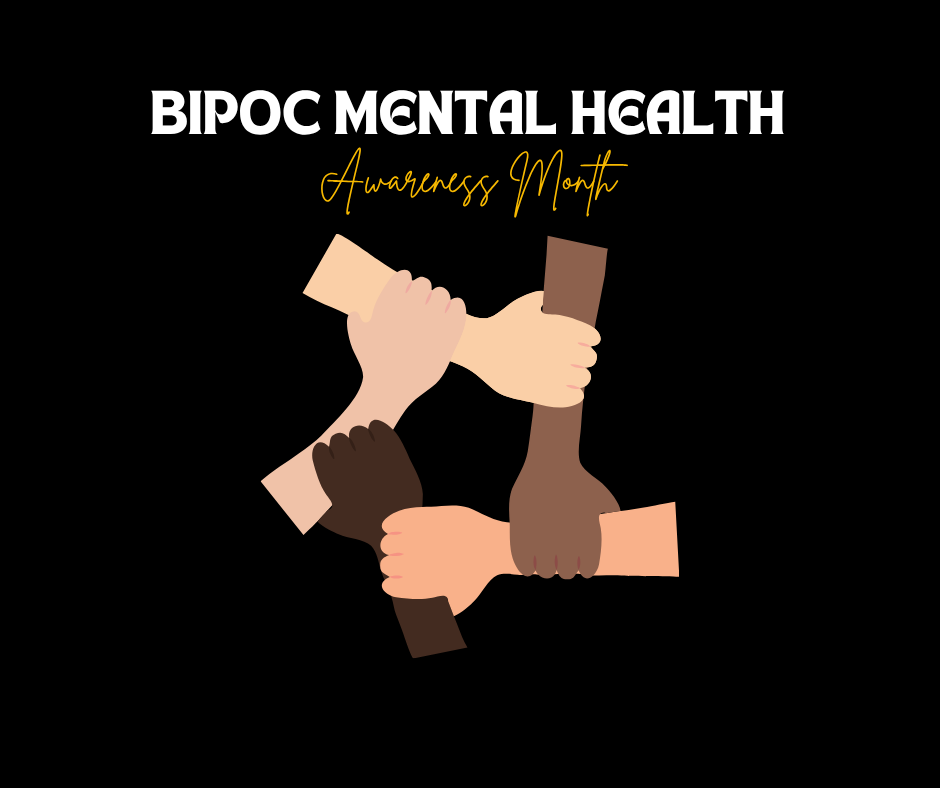
July is BIPOC Mental Health Awareness Month, a time to recognize the unique mental health experiences of individuals from racial, ethnic, and cultural minority communities while reaffirming that everyone deserves compassionate, accessible, and culturally responsive care.
Mental health does not exist in a vacuum. Our identities, cultures, family traditions, languages, communities, and life experiences all influence how we understand emotions, cope with stress, seek support, and heal. For many people, culture serves as a powerful source of resilience and connection. At the same time, cultural identity can intersect with experiences of discrimination, stigma, historical trauma, or barriers to accessing quality mental health care.
One simple but meaningful way each of us can contribute to a more supportive and inclusive community is by practicing cultural curiosity.
What Is Cultural Curiosity?
Cultural curiosity is the intentional practice of learning about and appreciating the experiences, values, traditions, and perspectives of others without judgment or assumption. Rather than believing we already understand someone’s story based on appearances or stereotypes, cultural curiosity encourages us to ask thoughtful questions, listen with empathy, and remain open to learning.
Being culturally curious doesn’t mean becoming an expert on every culture. Instead, it means recognizing that every person’s lived experience is unique and that there is always more we can learn.
This mindset benefits not only our relationships with others but also our own personal growth and emotional well-being.
Why Does Cultural Curiosity Matter for Mental Health?
Feeling understood is one of the strongest predictors of emotional well-being. When individuals feel respected, accepted, and able to express their authentic selves, they are more likely to experience a sense of belonging and psychological safety.
Unfortunately, many individuals from BIPOC communities have faced barriers that make accessing mental health care more difficult. These barriers may include:
- Cultural stigma surrounding mental health concerns
- Limited access to providers who understand their cultural experiences
- Financial or transportation challenges
- Language barriers
- Experiences of racism, discrimination, or bias
- Historical mistrust of healthcare systems
- Fear of being misunderstood or judged
These challenges do not define individuals or communities. Instead, they highlight why culturally responsive care and compassionate relationships are so important.
When we approach others with curiosity instead of assumptions, we help create environments where people feel safer sharing their experiences and asking for support.
Curiosity Creates Connection
Think about a time when someone genuinely listened to you without interrupting, judging, or trying to “fix” your feelings. Chances are, you left that conversation feeling validated and understood.
Now imagine offering that same experience to someone else.
Cultural curiosity begins with simple actions:
- Listening more than speaking.
- Asking respectful, open-ended questions.
- Acknowledging that another person’s experience may differ from your own.
- Remaining open when learning something new challenges your perspective.
These small moments build trust, strengthen relationships, and reduce the isolation that many people experience when struggling with their mental health.
Understanding Our Own Cultural Lens
Practicing cultural curiosity isn’t only about learning about others—it’s also about understanding ourselves.
Each of us has been shaped by our own experiences, family values, traditions, beliefs, and communities. These influences affect how we communicate, express emotions, handle conflict, and define success or well-being.
Taking time to reflect on our own cultural identities can increase self-awareness and help us recognize unconscious assumptions we may hold.
Consider asking yourself:
- What values did I learn growing up?
- How does my family talk about emotions or mental health?
- What traditions help me feel connected?
- What messages did I receive about asking for help?
- How have my experiences shaped the way I view others?
There are no right or wrong answers—only opportunities for greater understanding.
Practical Ways to Practice Cultural Curiosity
Like any skill, cultural curiosity becomes stronger with practice. Here are a few ways to incorporate it into everyday life:
Listen to Learn
When someone shares their story, focus on understanding their perspective rather than preparing your response. Sometimes the greatest gift we can offer is simply our full attention.
Ask Respectful Questions
If someone is comfortable sharing, ask thoughtful questions about traditions, experiences, or perspectives that are meaningful to them. Respect boundaries if someone chooses not to discuss personal topics.
Expand Your Perspective
Read books by authors from diverse backgrounds, explore documentaries, attend local cultural events, or listen to podcasts featuring voices different from your own. Exposure to diverse perspectives broadens understanding and challenges stereotypes.
Reflect Before Assuming
If you notice yourself making an assumption about someone, pause and ask:
“What information am I missing?”
This simple question creates space for empathy.
Celebrate Differences
Rather than viewing differences as barriers, recognize them as opportunities to learn. Every person’s story adds richness to our communities.
The Role of Counseling
Counseling offers a space where individuals can explore every aspect of their identity in a supportive, confidential environment. Effective therapy recognizes that culture is an important part of a person’s story and that healing is most meaningful when care is respectful, collaborative, and culturally responsive.
A counselor may help clients:
- Explore identity and belonging
- Navigate experiences of discrimination or bias
- Process family or cultural expectations
- Build healthy coping strategies
- Strengthen self-esteem and resilience
- Improve communication and relationships
- Develop tools for managing anxiety, depression, stress, or grief
At KidStuff Counseling, we believe every individual deserves to feel heard, respected, and valued. We strive to provide a welcoming environment where clients can share their experiences without fear of judgment and where their unique strengths, identities, and goals are honored throughout the therapeutic process.
Small Actions Make a Big Difference
You don’t have to change the world overnight to make an impact.
Sometimes inclusion begins with:
- Learning someone’s preferred pronunciation of their name.
- Listening without interrupting.
- Asking questions with genuine curiosity.
- Being willing to acknowledge when you don’t know something.
- Choosing compassion over assumptions.
- Encouraging someone to seek help when they need it.
These everyday actions help build stronger relationships and healthier communities!

