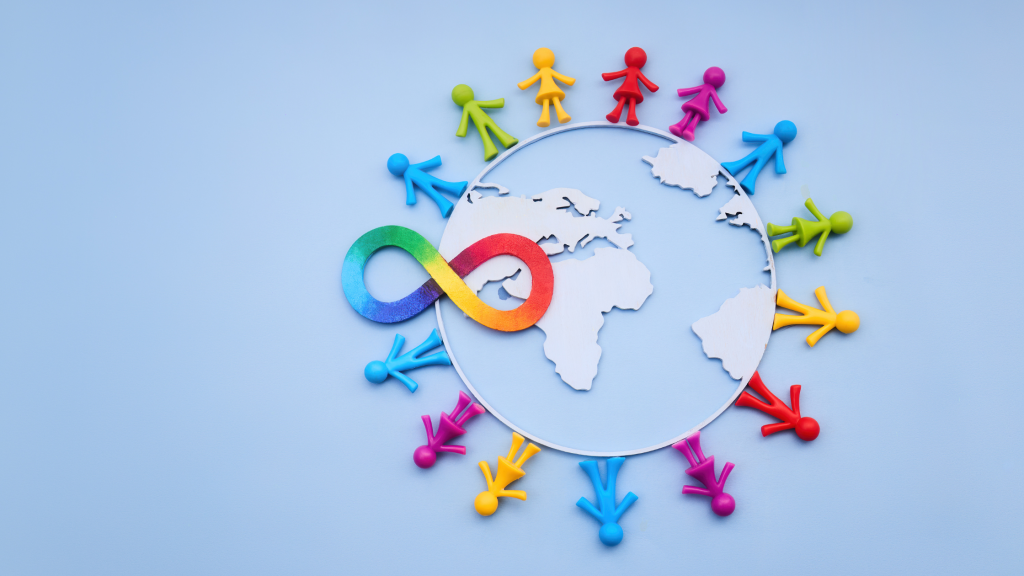

In a world that pushes conformity, neurodivergent individuals – some quietly, some boldly – demonstrate that thinking differently isn’t a limitation. It’s a distinct advantage. From creativity that bends reality to focus that cuts through noise, neurodivergent minds bring a set of “superpowers” that deserve recognition, understanding, and celebration.
🧠 What Does “Neurodivergent” Mean?
Neurodivergence refers to natural variations in how the brain functions, processes information, and responds to stimuli. This includes individuals with ADHD, autism, dyslexia, dyspraxia, and more. While traditional models have often framed these differences as disorders to be treated, modern perspectives increasingly recognize them as part of the rich diversity of human cognition.
From a counseling standpoint, this shift is significant. It allows clinicians to move from a deficit-based model (“What’s wrong?”) to a strengths-based approach (“What’s strong?”). This reframing helps individuals build confidence, self-awareness, and a healthier identity.
Neurodivergence is not a one-size-fits-all experience. Each individual has a unique profile of strengths and challenges. The goal is not to “normalize” the person, but to create environments and strategies that allow them to thrive as they are.
⚡ Hyperfocus: The Power of Deep Immersion
Hyperfocus is often misunderstood. While individuals with ADHD may struggle with attention regulation, that doesn’t mean a lack of focus—it means variability in focus. When something is engaging, meaningful, or stimulating, attention can lock in with remarkable intensity.
During hyperfocus, distractions fade into the background. Time may pass unnoticed, and productivity can skyrocket. This state can feel energizing and deeply satisfying.
Example:
A young adult who finds it difficult to stay attentive during meetings may spend an entire evening coding, solving complex problems, and refining details without interruption. Another individual might dive into a creative project—painting, writing, or music production—and emerge hours later with highly refined work. Counseling can help clients learn how to work with hyperfocus rather than against it—structuring schedules to include passion-driven tasks, while also building strategies to transition between activities when needed.
🎨 Creative Thinking: Seeing What Others Miss
Neurodivergent individuals frequently approach the world from unconventional angles. Their thinking may be nonlinear, associative, or highly visual, allowing them to connect ideas in ways that others might not immediately see.
This creativity isn’t limited to the arts—it shows up in problem-solving, communication, and innovation across disciplines.
Example:
A student with dyslexia might struggle with traditional reading tasks but excel in storytelling, using vivid imagery and emotional depth. An entrepreneur with ADHD might generate a wide range of business ideas quickly, spotting opportunities others overlook.
Why it matters in real life:
Creative thinking drives innovation. Many breakthroughs—whether in technology, design, or social change—come from individuals who challenged conventional thinking patterns. Encouraging creative outlets can be therapeutic, helping individuals process emotions, build confidence, and express themselves authentically.
🔍 Pattern Recognition: Finding Order in Chaos
Pattern recognition is a standout strength in many neurodivergent individuals, particularly those on the autism spectrum. This ability allows them to detect regularities, anomalies, and systems with impressive accuracy.
It’s not just about numbers—it can apply to language, behavior, music, and even social dynamics (though expressed differently).
Example:
An analyst might quickly identify inconsistencies in a large dataset that others overlooked. A child might memorize and predict sequences in music or numbers. Another individual might notice behavioral patterns in group dynamics, even if they interpret them differently.
Real-world applications:
This strength is highly valued in fields like data science, engineering, cybersecurity, quality assurance, and research. Helping individuals recognize this ability can boost self-esteem, especially if they’ve previously felt “out of sync” in more socially driven environments.
💬 Honesty and Authenticity: A Refreshing Superpower
Many neurodivergent individuals communicate with a level of honesty that stands out in a world often shaped by social filters and unspoken rules. This directness can sometimes be misunderstood, but it also brings clarity and sincerity.
Example:
An employee might give straightforward feedback in a meeting, cutting through ambiguity and helping the team address issues more efficiently. A child might ask questions others are thinking but hesitant to voice.
The deeper value:
Authenticity fosters trust. In relationships—personal or professional—clear and honest communication can strengthen connections and reduce misunderstandings. Rather than suppressing this trait, therapy often focuses on refining delivery—helping individuals balance honesty with social awareness, without losing their authentic voice.
🚀 Resilience: Thriving Against the Odds
Living in a world that isn’t always designed for neurodivergent minds can be challenging. Yet, through these experiences, many individuals develop resilience, adaptability, and perseverance. This resilience is not just about “pushing through”—it’s about learning, adjusting, and continuing forward despite obstacles.
Example:
A student who has struggled academically may develop strong self-advocacy skills, learning how to request accommodations, communicate needs, and navigate systems effectively. An adult may build personalized strategies for organization, emotional regulation, or time management.
Why it matters:
Resilience is a key predictor of long-term well-being. It supports mental health, career growth, and personal fulfillment. Counselors often highlight resilience as a strength, helping clients reframe past struggles as evidence of capability rather than failure.
🧩 Innovative Problem-Solving: Rewriting the Rules
Neurodivergent thinkers often bypass conventional approaches altogether. Instead of following established methods, they may intuitively develop new ones—sometimes more efficient, sometimes entirely original.
Example:
An employee might redesign a workflow that reduces unnecessary steps, saving time for the entire team. A student might develop a unique study method that incorporates movement, visuals, or technology to enhance learning.
Why this stands out:
Innovation often comes from questioning assumptions. Neurodivergent individuals may naturally do this because they experience systems differently. Encouraging flexible thinking and validating unconventional approaches can empower individuals to trust their instincts and strengths.
🌟 Embracing the Whole Person
It’s important to acknowledge that neurodivergence includes both strengths and challenges. Executive functioning difficulties, sensory sensitivities, or social misunderstandings can be very real and impactful.
However, focusing only on challenges creates an incomplete picture.
A balanced approach recognizes:
- The need for support, tools, and accommodations
- The presence of meaningful strengths and capabilities
Example:
A workplace that offers flexible scheduling, quiet spaces, or alternative communication methods can unlock an employee’s full potential. A classroom that incorporates different learning styles can help students engage more fully. Clinicians help individuals identify their unique profiles, build coping strategies, and advocate for environments that support their success.
Neurodivergent minds are not broken versions of a standard—they are unique systems with their own strengths, rhythms, and ways of engaging with the world. When supported effectively, these individuals don’t just adapt—they contribute, innovate, and lead in meaningful ways.
The real “superpower” lies not just in the individual, but in the shift toward understanding, acceptance, and celebration. Because when different ways of thinking are truly valued, everyone benefits!