
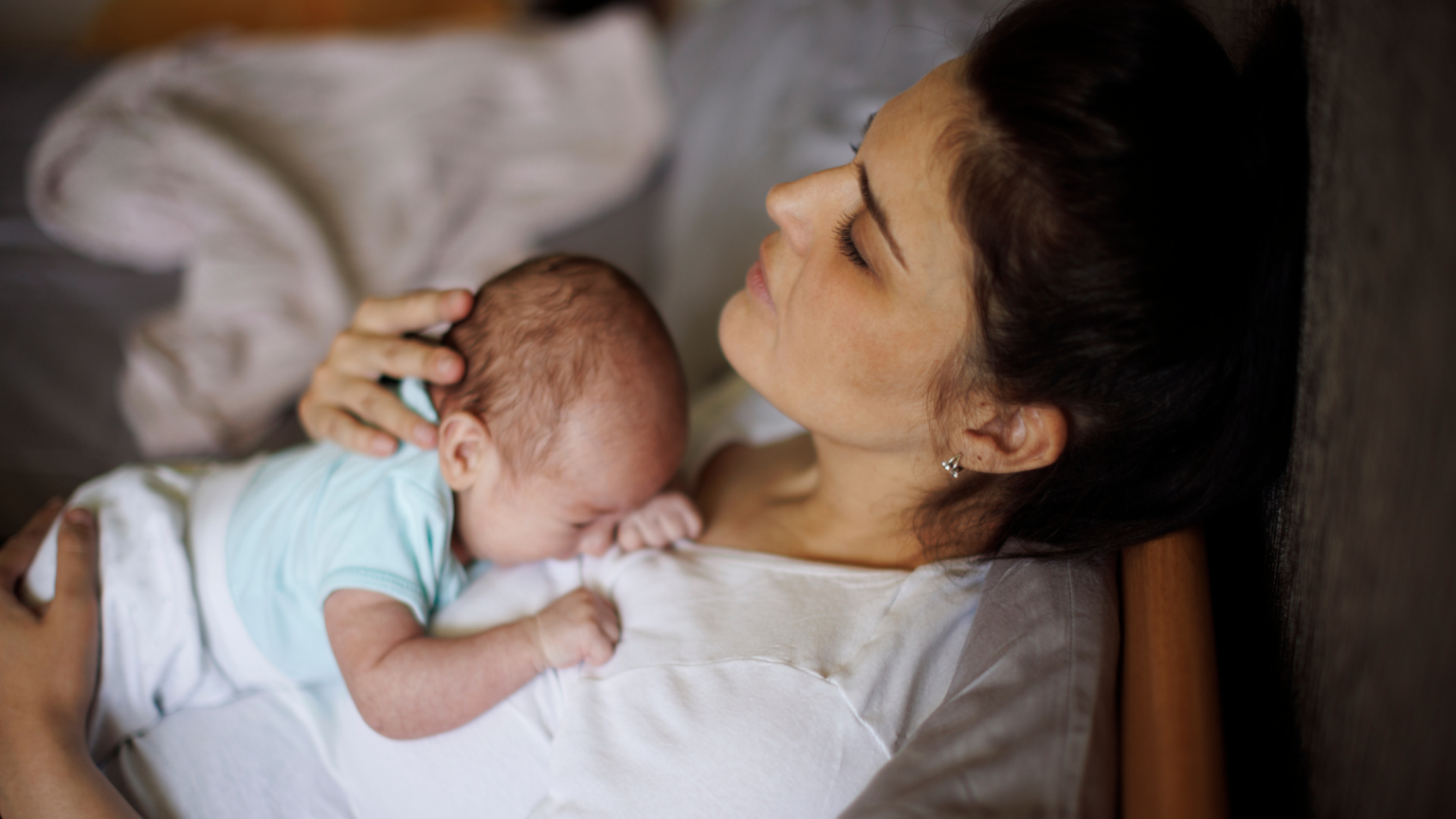
Maternal mental health is often framed in soft, glowing terms—joy, bonding, fulfillment. But beneath that narrative lies a more complex and often unspoken reality. For many mothers, the journey through pregnancy and beyond includes emotional strain, identity shifts, and mental health challenges that are rarely discussed openly. Understanding these experiences is essential for building compassionate, supportive communities around families.
Pregnancy: More Than Physical Change
Pregnancy is typically associated with anticipation and excitement, yet it can also bring emotional turbulence that surprises many expectant mothers. Hormonal shifts alone can significantly affect mood regulation, leading to heightened sensitivity, irritability, or tearfulness. Beyond biology, there are layers of psychological adjustment—grappling with the reality of becoming a parent, changes in relationships, and concerns about financial or lifestyle stability.
Many mothers quietly carry fears about miscarriage, complications, or whether they will be “good enough” parents. For some, pregnancy can also trigger unresolved trauma or past mental health challenges, making this period emotionally complex.
What often goes unspoken is that not all pregnancies feel joyful—and that’s normal. Some individuals may feel disconnected from the experience, especially in early stages, or struggle to reconcile mixed emotions. Normalizing these feelings allows mothers to release guilt and seek support earlier, rather than suffering in silence.
Anxiety: The Constant “What If”
Maternal anxiety can begin subtly and grow over time, often fueled by an overwhelming sense of responsibility. It may present as constant worry about the baby’s safety, intrusive thoughts about worst-case scenarios, or an inability to “turn off” the mind. Even routine decisions—feeding, sleeping arrangements, doctor visits—can feel loaded with pressure.
Physically, anxiety can manifest as restlessness, racing heart, muscle tension, and sleep disturbances. Emotionally, it can lead to irritability, difficulty concentrating, and a persistent sense of unease.
Because maternal anxiety is less visible than physical symptoms, it is frequently overlooked or dismissed as simply “being a concerned parent.” Many mothers internalize these feelings, believing they should be able to manage on their own. Over time, this can create a cycle where anxiety feeds on itself, increasing isolation and self-doubt.
Creating space for honest conversations about anxiety helps mothers recognize that these experiences are common—and treatable.
Depression: The Silent Weight
Depression during and after pregnancy is more common than many realize, yet it remains deeply stigmatized. Mothers experiencing depression may feel a heavy sense of sadness, emptiness, or hopelessness that doesn’t lift. Activities that once brought joy may feel meaningless, and even basic daily tasks can feel overwhelming.
However, maternal depression does not always present as visible sadness. It can look like irritability, anger, emotional numbness, or withdrawal from loved ones. Some mothers may struggle to bond with their baby and feel intense guilt or shame because of it.
There can also be a disconnect between expectations and reality. When motherhood does not feel the way it was imagined, mothers may blame themselves rather than recognizing the signs of depression.
Without support, depression can impact not only the mother’s well-being but also family relationships and child development. Early identification, compassionate care, and reducing stigma are critical in helping mothers access the support they need.
Postpartum: The Reality After Birth
The postpartum period is one of the most vulnerable yet least prepared-for stages of motherhood. Physically, mothers are healing from childbirth while adjusting to hormonal changes that can significantly affect mood. Emotionally, they are navigating the demands of caring for a newborn—often with little sleep and limited support.
While “baby blues” are common and typically resolve within a couple of weeks, more persistent symptoms may indicate postpartum depression or anxiety. These can include overwhelming sadness, excessive worry, difficulty sleeping even when the baby sleeps, or feelings of disconnection.
What’s rarely discussed is the sheer intensity of this transition. Many mothers feel unprepared for how all-consuming newborn care can be. The loss of routine, reduced personal time, and shifts in relationships can compound emotional strain.
Acknowledging the realities of postpartum life—and ensuring ongoing support beyond the early weeks—can make a meaningful difference in maternal well-being.
Burnout: When Caregiving Becomes Overwhelming
Motherhood often involves constant caregiving with little opportunity for rest or recovery. Over time, this can lead to burnout—a state of chronic exhaustion that affects emotional, mental, and physical health.
Burnout may show up as feeling depleted, detached, or easily overwhelmed. Mothers may notice increased irritability, reduced patience, or a sense that they are “running on empty.” Tasks that once felt manageable can begin to feel burdensome.
One of the most challenging aspects of burnout is the pressure to continue functioning despite exhaustion. Cultural messages that idealize self-sacrifice can make it difficult for mothers to acknowledge their limits or ask for help.
Recognizing burnout is not a sign of failure—it is a signal that support, rest, and redistribution of responsibilities are needed. When mothers are supported, the entire family system benefits.
BIPOC Disparities: Unequal Burdens
Maternal mental health is deeply influenced by social and systemic factors. Mothers from Black, Indigenous, and other communities of color often face additional stressors that compound mental health challenges. These can include experiences of racism, disparities in healthcare access, economic inequality, and cultural stigma around seeking mental health support.
Research consistently shows that BIPOC mothers are less likely to receive adequate screening and treatment for perinatal mental health conditions. They may also encounter providers who do not fully understand or validate their experiences.
In addition, the pressure to appear strong in the face of adversity can discourage vulnerability, making it even harder to seek help. This creates a cycle where needs go unmet and challenges intensify.
Addressing these disparities requires culturally responsive care, representation within the mental health workforce, and community-based approaches that honor lived experiences. Equity in maternal mental health is not optional—it is essential.
Identity: Losing and Rediscovering the Self
One of the most profound yet least discussed aspects of motherhood is the shift in identity. Becoming a mother can reshape nearly every aspect of a person’s life—how they spend their time, how they relate to others, and how they see themselves.
Some mothers experience a sense of loss as they step away from careers, hobbies, or social roles that once defined them. There can be grief for the independence and autonomy that existed before parenthood. At the same time, societal expectations may pressure mothers to fully embrace their new role without acknowledging this sense of loss.
This identity shift is not purely negative—it can also be a period of growth, reflection, and redefinition. Many mothers discover new strengths, values, and priorities.
The challenge lies in integrating these changes while maintaining a sense of self. Supporting mothers in exploring their identity—without judgment—helps create a more balanced and sustainable experience of parenthood.
Moving Forward: Creating Space for Honest Conversations
Maternal mental health deserves more than quiet acknowledgment—it requires open dialogue, accessible resources, and compassionate care. When families, providers, and communities normalize these experiences, mothers are more likely to seek support without shame.
Expanding the conversation means listening without judgment, validating diverse experiences, and recognizing that motherhood is not one-size-fits-all. It also means ensuring that mental health care is accessible, inclusive, and responsive to the needs of all mothers.
By talking about what is often left unsaid, a more honest and supportive narrative of motherhood can emerge—one that holds space for both joy and struggle, strength and vulnerability.

