
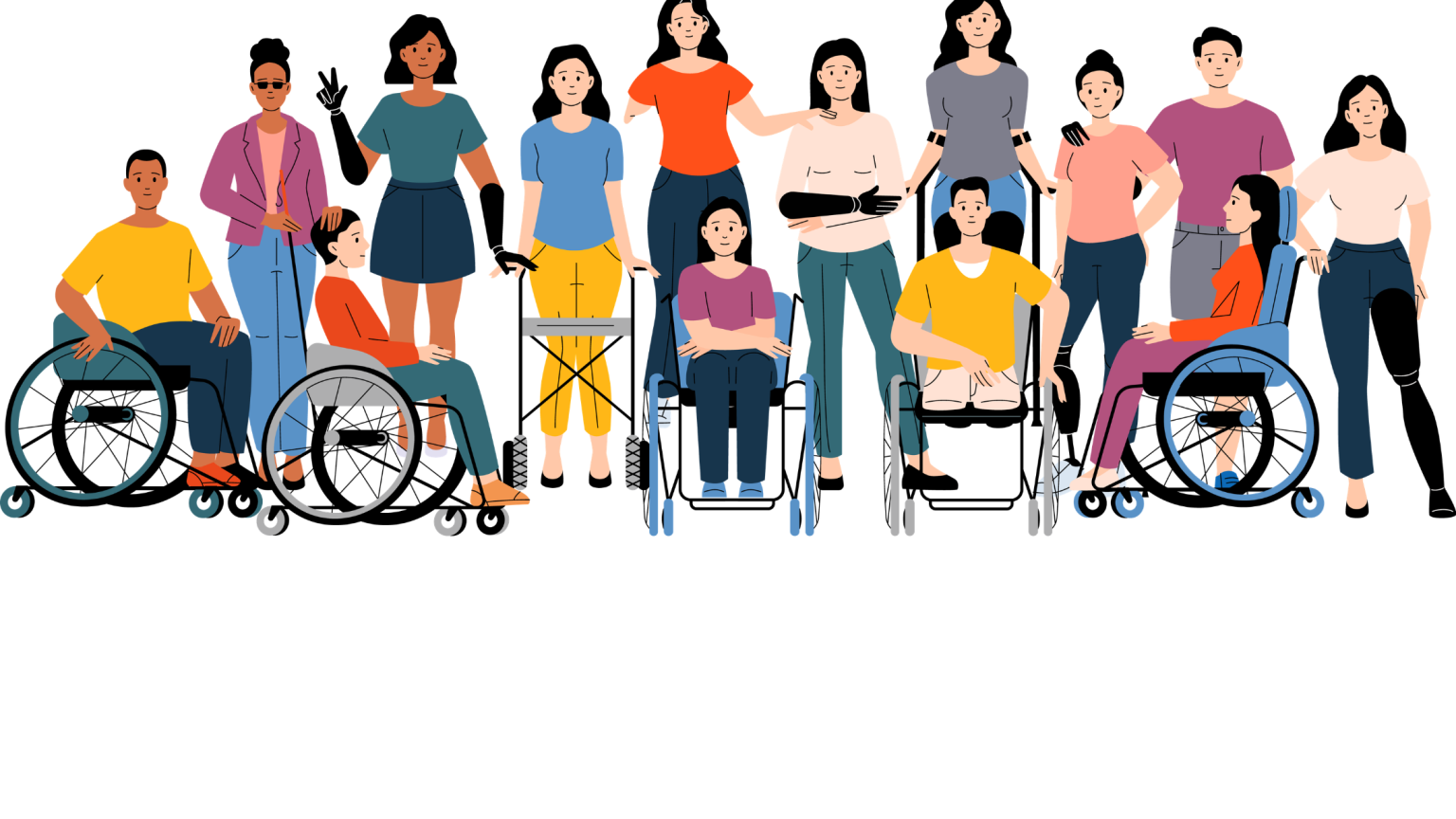
July is Disability Pride Month, a time to recognize, celebrate, and honor the identities, experiences, and contributions of people with disabilities. More than an awareness campaign, Disability Pride Month is a celebration of disability as a natural and valuable part of human diversity. It is also an opportunity to reflect on how we can create more inclusive communities where everyone has the opportunity to thrive.
Disability Pride Month culminates on July 26, the anniversary of the Americans with Disabilities Act (ADA), landmark legislation signed into law in 1990 that prohibits discrimination against individuals with disabilities and protects equal access in employment, education, transportation, public services, and other areas of daily life.
The 2026 Disability Pride Month theme, “The World Works Better With Us,” reminds us that when people with disabilities are included, respected, and empowered to lead, everyone benefits. Accessibility, representation, and inclusion strengthen our workplaces, schools, healthcare systems, and communities.
Understanding Disability Pride
Disability Pride is about embracing disability as an important part of a person’s identity rather than viewing it solely through a medical lens or as something that needs to be “fixed.” Disabilities may be visible or invisible, present from birth or acquired later in life. They encompass physical, sensory, intellectual, developmental, learning, neurological, and mental health disabilities.
While many people with disabilities face challenges, those challenges are often created or intensified by barriers in society rather than by the disability itself. Inaccessible buildings, limited accommodations, stigma, and misconceptions can have a profound impact on quality of life.
Disability Pride encourages us to:
- Celebrate disability identity and culture.
- Challenge stereotypes and stigma.
- Advocate for accessibility and equity.
- Amplify the voices and leadership of disabled individuals.
- Recognize disability as an important aspect of diversity.
Disability and Mental Health
Living with a disability does not automatically mean someone will experience mental health concerns. However, people with disabilities often encounter additional stressors that can affect emotional well-being, including:
- Social isolation or loneliness
- Discrimination and ableism
- Barriers to healthcare or community participation
- Workplace or educational challenges
- Financial stress
- Caregiver fatigue for both individuals and families
- Chronic pain or ongoing medical conditions
- Anxiety related to accessibility or future planning
These experiences can contribute to anxiety, depression, trauma, burnout, grief, or feelings of frustration. At the same time, many people with disabilities demonstrate remarkable resilience, creativity, adaptability, and strength that deserve recognition and celebration.
Mental health support should acknowledge both the challenges people face and the strengths they bring.
The Importance of Inclusive Mental Health Care
Everyone deserves access to compassionate, affirming mental health care. Inclusive counseling means recognizing each person’s unique lived experience and creating a therapeutic environment where clients feel respected, heard, and empowered.
For individuals with disabilities, this may include:
- Accessible office spaces and communication options
- Flexibility for mobility, sensory, or scheduling needs
- Respectful, person-centered care
- Recognition of the impact of systemic barriers
- Collaboration that honors each person’s goals, values, and autonomy
Effective therapy is not about making someone fit society’s expectations. It is about supporting emotional well-being, fostering resilience, strengthening relationships, developing coping skills, and helping individuals live meaningful lives on their own terms.
Supporting Families and Caregivers
Disability Pride Month also recognizes the important role families, caregivers, and support networks play. Caring for a loved one with a disability can be deeply rewarding while also presenting emotional and practical challenges.
Counseling can provide caregivers with space to:
- Process complex emotions without judgment.
- Learn healthy coping strategies.
- Reduce stress and prevent burnout.
- Strengthen family communication.
- Build resilience while maintaining their own well-being.
Supporting caregivers ultimately strengthens the entire family system.
How We Can All Promote Inclusion
Creating an inclusive community is a shared responsibility. Small actions can make a meaningful difference:
- Use respectful, person-centered language while honoring individual preferences.
- Listen to disabled voices and lived experiences.
- Advocate for accessible spaces, programs, and services.
- Challenge stereotypes and misconceptions when you encounter them.
- Learn about disability history and culture.
- Support policies and practices that promote equity and inclusion.
Every step toward accessibility helps build stronger communities for everyone.
Our Commitment
At KidStuff Counseling, we believe every person deserves to feel seen, valued, and supported. We are committed to fostering an inclusive, welcoming environment where individuals of all abilities can access compassionate mental health care that respects their unique experiences and identities.
Disability Pride Month reminds us that diversity makes our communities stronger. By celebrating disability identity, promoting accessibility, and supporting mental wellness, we move closer to a world where everyone has the opportunity to thrive.
As we honor this year’s theme, “The World Works Better With Us,” we invite our community to celebrate the strengths, leadership, and contributions of people with disabilities—not only during July, but throughout the year.
If you or someone you love is looking for compassionate mental health support, our team is here to help. Together, we can create a safe space for healing, growth, resilience, and connection.

