
The Hidden Superpowers of Neurodivergent Minds

In a world that pushes conformity, neurodivergent individuals – some quietly, some boldly – demonstrate that thinking differently isn’t a limitation. It’s a distinct advantage. From creativity that bends reality to focus that cuts through noise, neurodivergent minds bring a set of “superpowers” that deserve recognition, understanding, and celebration. 🧠 What Does “Neurodivergent” Mean? Neurodivergence […]
Advocating for Your Child at School: IEPs and 504s

During Neurodiversity Awareness Month, we recognize the many families who find themselves asking how to best support their child’s learning journey. For children with diverse neurological profiles—such as ADHD, autism, dyslexia, or other learning differences—school can present both opportunities and challenges. Advocating for your child at school becomes a powerful tool, helping ensure that each […]
Co-Parenting Strategies When You Disagree on Your Child’s Needs

Co-parenting is rarely simple, and differences in opinion are a natural part of raising a child across two households. However, when those differences center on what a child truly needs, tension can rise quickly. Effective co-parenting strategies when you disagree are essential for maintaining stability, reducing conflict, and supporting a child’s emotional well-being. With […]
Embracing Neurodiversity: A New Way to Understand the Mind
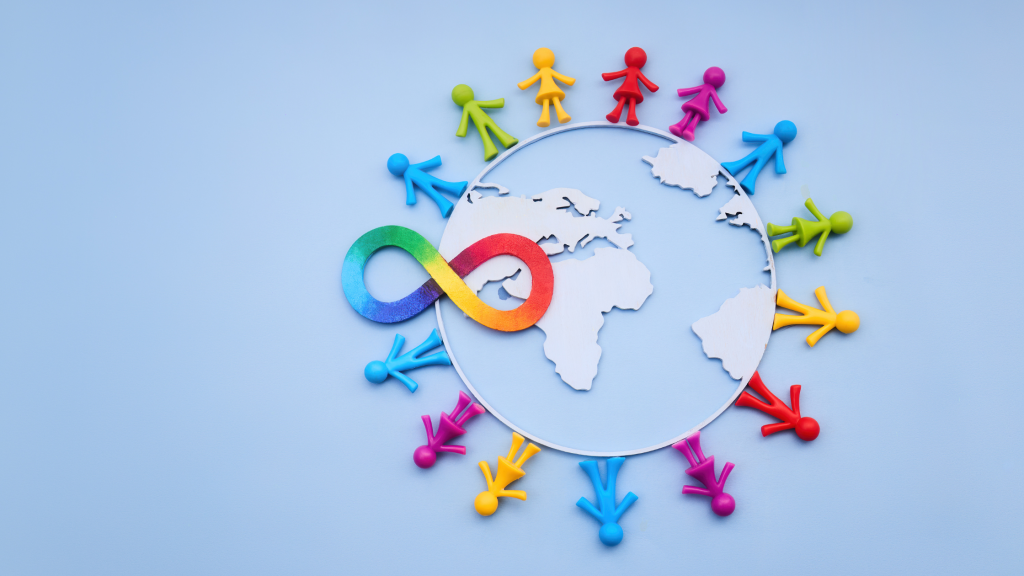
In recent years, the conversation around mental health has expanded in a meaningful and necessary way. One of the most important shifts has been the growing recognition of neurodiversity—the idea that differences in how people think, learn, and process the world are natural variations of the human experience, not deficits to be “fixed.” This perspective […]
Easing Stress Around Standardized Testing

Standardized testing season can feel overwhelming for both children and parents—especially as students grow older and become more aware of performance expectations. From a child and family counseling perspective, these moments are not just academic milestones, but emotional experiences that shape a child’s confidence, stress response, and self-image. By understanding what each test is designed […]
Therapist Hacks for Lying During the Ages and Stages of Children

Lying is one of the most common concerns parents bring to counseling sessions. When a child lies, parents often worry it reflects poor character or a serious behavioral problem. In reality, lying is a normal part of childhood development. Children’s brains are still developing skills such as impulse control, perspective-taking, and emotional regulation. As a […]
Counseling Support for Non-Suicidal Self-Harm

Non-suicidal self-harm (also called non-suicidal self-injury or NSSI) occurs when a person intentionally harms their body without the intent to die. While it is not a suicide attempt, it is a sign of emotional distress that deserves serious attention and compassionate care. At KidStuff Counseling, our counselors often work with children, teens, and adults who […]
When Teens and Parents Clash: Finding a Way Forward

Teen parent conflict is one of the most common challenges families face during adolescence. As teens strive for greater independence and parents work to provide guidance and protection, misunderstandings and tension can quickly surface. What may begin as a disagreement about curfews, schoolwork, or friendships can escalate into repeated arguments that leave both sides feeling […]
Understanding the Different Modalities in Play Therapy

Play therapy is a developmentally appropriate, evidence-based approach that allows children to express thoughts, feelings, and experiences through play rather than relying solely on verbal communication. Because children often lack the language or insight to articulate emotional struggles, play becomes their natural medium for processing the world around them. There are several modalities within play […]
Moving Out of Survival Mode for Children, Teens, and Adults

Here at KidStuff Counseling, our clinicians often remind families that behavior is communication—especially during moments of stress. When children, teens, or adults react in ways that seem intense, confusing, or out of character, it is often because the nervous system has shifted into survival mode. This automatic response is the brain and body’s way of […]