
Parenting Hacks for Managing Big Emotions Throughout Every Age
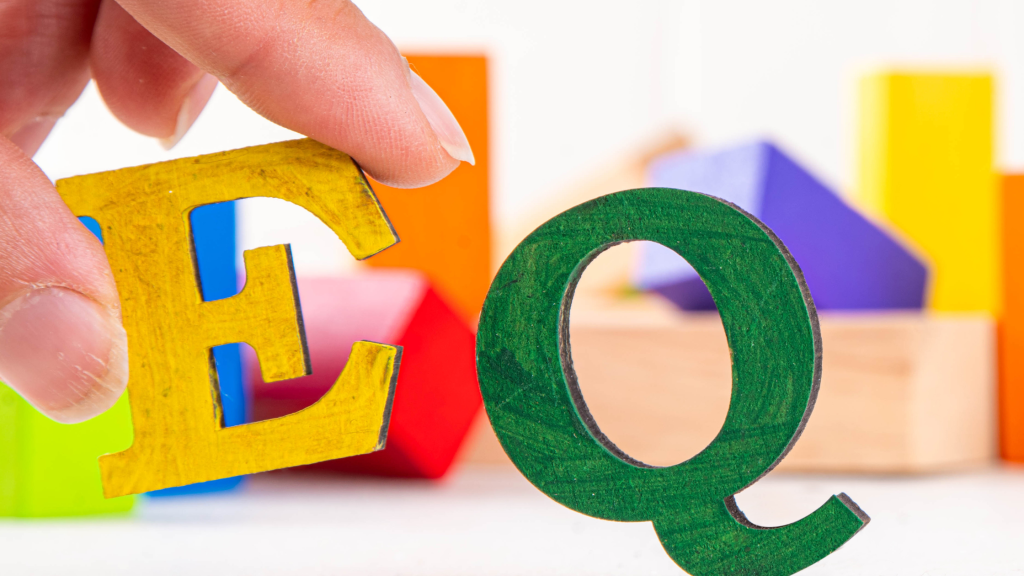
Every child experiences big emotions. From a crying infant to a frustrated preschooler to an overwhelmed teenager, emotions are a normal and healthy part of development. As children grow, they gradually learn how to identify, express, and manage their feelings—but they cannot do it alone. They rely on trusted adults to model healthy emotional regulation […]
Disability Pride Month: Celebrating Identity, Inclusion, and Mental Well-Being
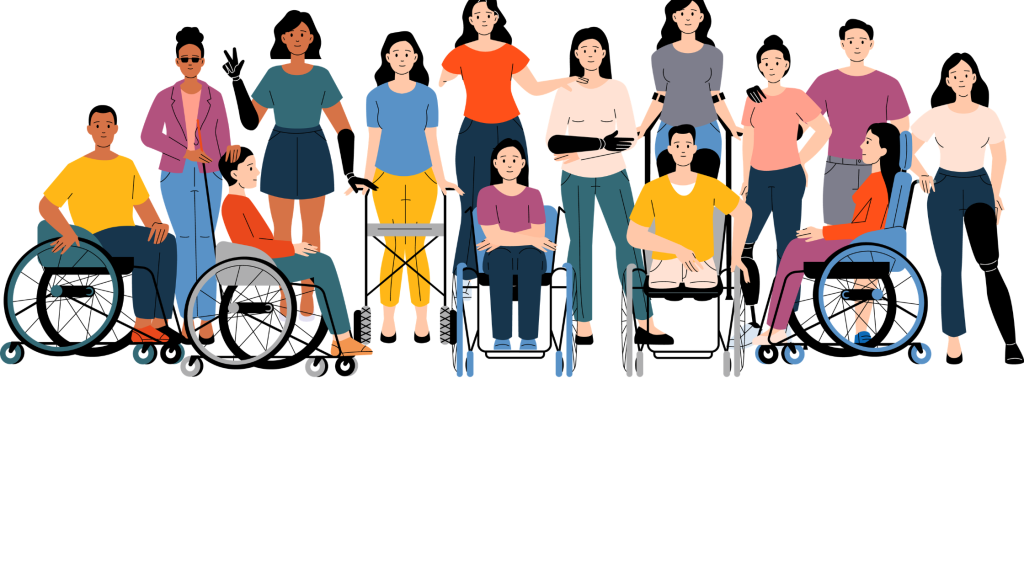
July is Disability Pride Month, a time to recognize, celebrate, and honor the identities, experiences, and contributions of people with disabilities. More than an awareness campaign, Disability Pride Month is a celebration of disability as a natural and valuable part of human diversity. It is also an opportunity to reflect on how we can create […]
Cultural Curiosity in Mental Health
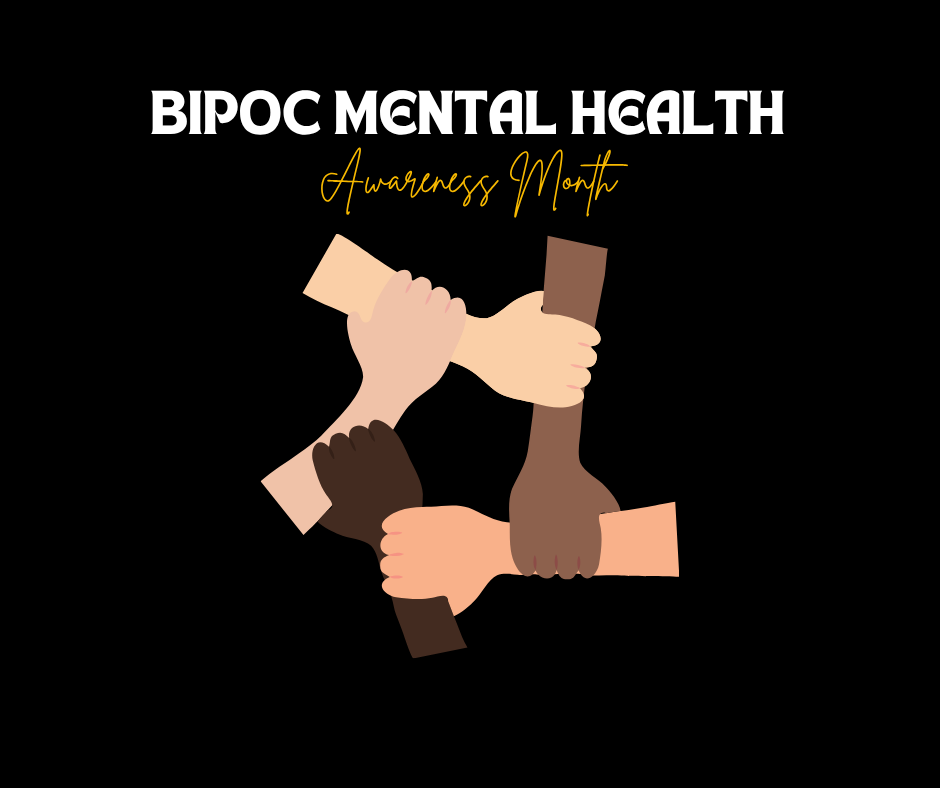
July is BIPOC Mental Health Awareness Month, a time to recognize the unique mental health experiences of individuals from racial, ethnic, and cultural minority communities while reaffirming that everyone deserves compassionate, accessible, and culturally responsive care. Mental health does not exist in a vacuum. Our identities, cultures, family traditions, languages, communities, and life experiences all […]
Mid-Year Mental Health Check-In

The midpoint of the year is a perfect time to do a mental health check-in and to take stock of where we are in relation to our goals, responsibilities, relationships, and personal progress. While annual resolutions often receive significant attention in January, the middle of the year presents an equally valuable opportunity to pause and […]
The Benefits of Counseling for LGBTQ+ Individuals, Children, and Families

Individuals within the LGBTQ+ community often navigate unique experiences that can impact emotional well-being, relationships, self-esteem, and overall mental health. While many LGBTQ+ individuals lead fulfilling and resilient lives, they may also encounter challenges related to identity, acceptance, discrimination, family dynamics, or social pressures. Counseling provides a supportive and affirming space where individuals can explore […]
Coping with End-of-School Emotions

The end of the school year is often portrayed as a time of celebration, freedom, and excitement. While many students eagerly anticipate summer break, the transition away from familiar routines, teachers, classmates, and daily responsibilities can also bring a wide range of emotions. For children and teenagers alike, the conclusion of a school year represents […]
Self-Care That Actually Works for Your Mental Health
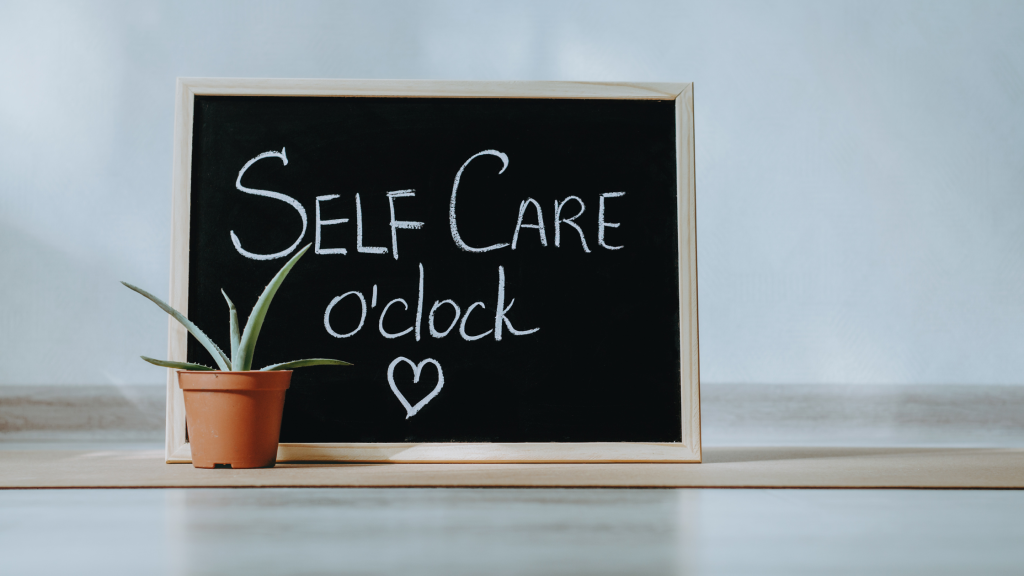
Moving Beyond Aesthetic Wellness Toward Real Emotional Care Self-care has become one of the most talked-about concepts in mental health and wellness culture. Social media feeds are filled with images of spa days, expensive skincare routines, perfectly organized morning habits, green smoothies, candles, and inspirational quotes promising peace and balance. While these activities can certainly […]
More Good Days Together: Mental Wellness Beyond Perfection

Mental health conversations often focus on crisis, burnout, stress, or emotional struggle—and while those conversations are important, they are only part of the picture. Mental wellness is not about eliminating every hard day, difficult emotion, or stressful season. It is about creating more moments of stability, connection, resilience, and support over time. This year’s Mental […]
Why Mental Health Matters at Every Age

Each stage of life brings unique experiences, challenges, transitions, and opportunities for growth. While mental health is often discussed in moments of crisis, the reality is that emotional wellbeing plays an important role in everyday life—from early childhood through older adulthood. In honor of Mental Health Awareness Month, this is an opportunity to recognize that […]
Maternal Mental Health: What No One Talks About

Maternal mental health is often framed in soft, glowing terms—joy, bonding, fulfillment. But beneath that narrative lies a more complex and often unspoken reality. For many mothers, the journey through pregnancy and beyond includes emotional strain, identity shifts, and mental health challenges that are rarely discussed openly. Understanding these experiences is essential for building compassionate, […]